The psychology behind risk understanding the allure of casino gambling
The Thrill of Uncertainty
Casino gambling is fundamentally rooted in the thrill of uncertainty. This unpredictability generates a unique emotional response that keeps players coming back for more. The excitement associated with not knowing the outcome of a game can trigger the brain’s reward system, releasing dopamine and creating feelings of pleasure. This neurochemical reaction can make even a small win feel exhilarating, reinforcing the desire to engage in more gambling. As players explore various options, they might encounter a non-gamstop casino uk that enhances their gaming experience.
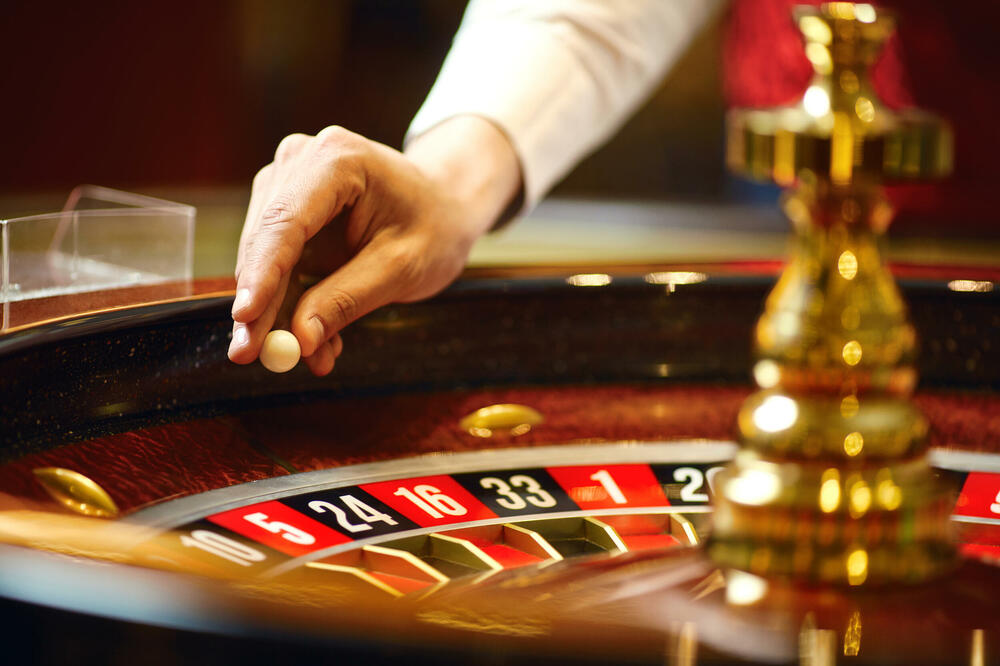
Moreover, the allure of risk is often romanticized in popular culture, presenting gambling as a thrilling adventure. This cultural narrative contributes to the widespread perception that taking risks is not only acceptable but desirable. The combination of emotional highs from potential wins and societal endorsement of risk-taking behavior can create a compelling cocktail that captivates many individuals.
The Role of Cognitive Biases
Cognitive biases significantly influence how individuals perceive risk in gambling contexts. One prominent bias is the illusion of control, where gamblers believe they can influence outcomes through skill or strategy. This belief can lead players to take bigger risks, as they may feel more confident in their ability to win. Understanding these biases helps explain why individuals often engage in gambling despite the statistical odds being against them.
Another critical cognitive bias is the gambler’s fallacy, where players believe that past outcomes affect future results. For example, a person might think that a string of losses increases their chances of winning in the next game. This faulty logic leads to continued gambling, fueled by the hope that luck will eventually change, thus enhancing the overall allure of the casino experience.
The Social Dynamics of Gambling
Casino environments are designed to be social spaces, which play a crucial role in attracting players. The camaraderie found among gamblers can enhance the excitement of the experience. This social aspect encourages players to take risks together, as they share in both the victories and defeats. When individuals are surrounded by others who are also engaging in risk-taking behavior, it normalizes and amplifies their own willingness to gamble.
Furthermore, the presence of friends or family in gambling scenarios can create a sense of security, pushing individuals to gamble more than they might alone. This collective risk-taking fosters a sense of belonging, making the experience more appealing and potentially leading to higher stakes and increased emotional investment in the games.
The Impact of Marketing and Design
Marketing strategies employed by casinos are meticulously crafted to exploit psychological principles. Bright lights, engaging sounds, and free drinks are just a few elements designed to create an immersive environment that encourages prolonged play. This sensory overload can make it challenging for gamblers to maintain a clear perspective on their spending and the risks they are taking.
Additionally, casinos often use techniques that evoke a sense of urgency and exclusivity, such as time-limited promotions or exclusive games. These strategies manipulate psychological triggers, making individuals more susceptible to taking risks. The combination of engaging design and persuasive marketing creates a captivating atmosphere that draws players in, often leading them to gamble beyond their initial intentions.

Understanding Responsible Gambling
For those who are attracted to the allure of casino gambling, understanding the psychological factors at play is essential for responsible engagement. Awareness of cognitive biases, the social dynamics at play, and the impact of the casino environment can empower individuals to make informed choices. It is crucial to approach gambling with an understanding of the risks involved and the potential for addiction.
By recognizing the allure of risk and its psychological underpinnings, players can enjoy gambling as a form of entertainment rather than a means of escape. Resources that promote responsible gambling can provide valuable tools for maintaining control and ensuring that the thrill of the game remains a fun and safe experience.